
The car maintenance in Dubaiiclimate’s most acute impact is seen on vehicle batteries and cooling systems. While automotive batteries typically last between three and five years in temperate zones, the extreme Gulf heat accelerates internal electrolyte evaporation and plate sulfation, shortening average battery life to roughly 18 to 24 months. Cooling systems are equally vulnerable; engine coolant breaks down rapidly under constant thermal load, and fine sand accumulation can clog radiator fins, severely restricting airflow and causing catastrophic engine overheating during highway cruising or stop-and-go city traffic.Car Maintenance in Dubai Routine coolant flushes, thermostat inspections, and water pump checks are therefore critical before the summer peak.
Air conditioning and air filtration systems require constant monitoring as well. In Dubai, vehicle climate control operates at maximum output for six to eight months every year, placing sustained mechanical loads on compressors, condensers, and evaporators. Unfiltered cabin and engine intake filters clog quickly with fine desert dust, which not only degrades cabin air quality and cooling efficiency but also starves the engine of airflow.
Tire care and brake performance carry strict safety and legal implications in Dubai. Blistering road temperatures soften tire rubber compounds and cause internal air pressure to fluctuate drastically, increasing the likelihood of tread delamination and blowouts on high-speed arterial roads like Sheikh Zayed Road. UAE regulations enforce a strict five-year maximum operational lifespan from the tire’s manufacturing date, alongside a minimum tread depth of 1.6 millimeters; tires that fail these criteria or exhibit sidewall cracks will fail.
Comprehensive maintenance schedules in the UAE are generally structured into minor, interim, and major intervals. Minor services occur every 5,000 to 10,000 kilometers and focus on fully synthetic oil changes, oil filter replacement, and multipoint safety inspections. Major services, carried out every 30,000 to 40,000 kilometers, involve full computerized diagnostics, transmission fluid flushes, differential oil changes, spark plug replacements, suspension health checks, and 3D wheel alignment. Drivers who pair these professional milestones with daily habits—such as checking tire pressure when cold, utilizing ceramic window tinting and sunshades to protect interior electronics from UV degradation, and washing off corrosive sand and salt residue—ensure vehicle longevity, maintain strong resale value, and guarantee smooth registration renewals.
Driving across the UAE puts high demands on any vehicle. Between extreme summer heat, fine desert sand, and fast-paced highway commuting, routine vehicle care is not just a recommendation—it is essential for safety and reliability. Staying proactive with professional car maintenance in Dubai prevents costly mechanical failures and keeps your car performing at its peak year-round.
Complete Vehicle Care for car maintenance in dubai with Dubai Car Mechanic Repair and Services
Finding a dependable auto service team you can trust gives you complete peace of mind on the road. Located conveniently at Al Qudra Rd – near the exit of – Al Hebiah Sixth – Mudon – Dubai – United Arab Emirates, Dubai car mechanic repair and services provides full-spectrum mechanical and electrical solutions tailored to Gulf driving requirements.
Our certified technicians handle a wide range of automotive needs:
- Engine Diagnostics & Electrical Repairs: Advanced computerized scans to detect sensor failures, ignition issues, and check-engine alerts accurately.
- AC Diagnostics & Overhauls: Comprehensive leak detection, gas refills, compressor repair, and vent sanitization for crisp, clean cooling.
- Brake Inspections & Replacements: Precision pad fitting, disc skimming, and brake fluid maintenance for dependable stopping response.
- Suspension & Wheel Alignment: Steering adjustments, shock absorber repairs, and computerized wheel alignment for stable handling at high speeds.
- Routine Oil & Fluid Servicing: High-grade synthetic oil changes, transmission flushes, and filter replacements to maximize engine longevit
Driving in the UAE places unique demands on every vehicle. The combination of intense summer heat, high-speed highway commutes, and persistent desert dust creates an environment where routine auto care is essential for safety, longevity, and optimal performance. Staying proactive with professional car maintenance in Dubaiinding a trustworthy car mechanic budai (or Dubai) drivers can rely on is essential for keeping a vehicle running smoothly through intense heat and challenging road conditions. In a well-equipped workshop, a skilled technician conducts thorough diagnostic checks, services the air conditioning, inspects the cooling system, and ensures that every engine component performs reliably under demanding driving conditions.Car Maintenance in Dubai ensures your car remains dependable on every journey, whether navigating downtown traffic or cruising down open bypass roads.
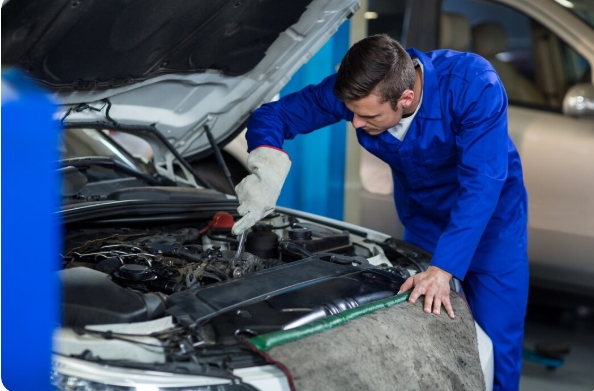
Car maintenance in Dubai operates under distinct challenges compared to most regions. Extreme ambient heat exceeding 45°C, pervasive desert sand, high-speed highway commuting, and strict annual roadworthiness regulations from the Roads and Transport Authority (RTA) require proactive, climate-specific vehicle care.The climate’s most acute impact is seen on vehicle batteries and cooling systems. While automotive batteries typically last between three and five years in temperate zones, the extreme Gulf heat accelerates internal electrolyte evaporation and plate sulfation, shortening average battery life to roughly 18 to 24 months. Cooling systems are equally vulnerable; engine coolant breaks down rapidly under constant thermal load, and fine sand accumulation can clog radiator fins, severely restricting airflow and causing catastrophic engine overheating during highway cruising or stop-and-go city traffic. Routine coolant flushes, thermostat inspections, and water pump checks are therefore critical before the summer peak.
Air conditioning and air filtration systems require constant monitoring as well. In Dubai, vehicle climate control operates at maximum output for six to eight months every year, placing sustained mechanical loads on compressors, condensers, and evaporators. Unfiltered cabin and engine intake filters clog quickly with fine desert dust, which not only degrades cabin air quality and cooling efficiency but also starves the engine of airflow, reducing fuel economy and introducing abrasive particulate into internal engine components. As a result, replacing cabin and engine air filters every 10,000 to 15,000 kilometers is standard practice across UAE service centers.
Tire care and brake performance carry strict safety and legal implications in Dubai. Blistering road temperatures soften tire rubber compounds and cause internal air pressure to fluctuate drastically, increasing the likelihood of tread delamination and blowouts on high-speed arterial roads like Sheikh Zayed Road. UAE regulations enforce a strict five-year maximum operational lifespan from the tire’s manufacturing date, alongside a minimum tread depth of 1.6 millimeters; tires that fail these criteria or exhibit sidewall cracks will fail the annual RTA technical test. High operating temperatures also accelerate brake fluid moisture absorption and cause thermal glazing on brake pads, making regular brake fluid replacement and disc skimming vital for consistent stopping power.
Comprehensive maintenance schedules in the UAE are generally structured into minor, interim, and major intervals. Minor services occur every 5,000 to 10,000 kilometers and focus on fully synthetic oil changes, oil filter replacement, and multipoint safety inspections. Major services, carried out every 30,000 to 40,000 kilometers, involve full computerized diagnostics, transmission fluid flushes, differential oil changes, spark plug replacements, suspension health checks, and 3D wheel alignment. Drivers who pair these professional milestones with daily habits—such as checking tire pressure when cold, utilizing ceramic window tinting and sunshades to protect interior electronics from UV degradation, and washing off corrosive sand and salt residue—ensure vehicle longevity, maintain strong resale value, and guarantee smooth registration renewals.
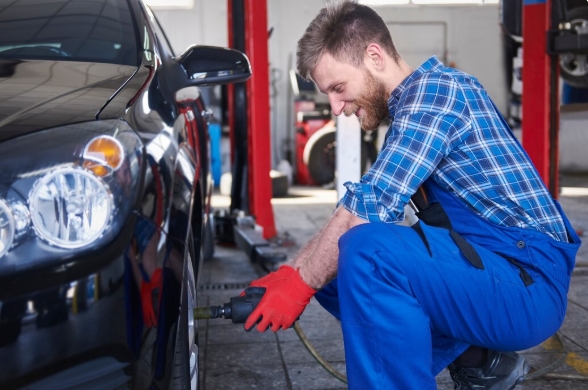
Operating a vehicle in Dubai demands rigorous maintenance due to extreme desert heat, fine airborne sand, and high summer humidity. Summer ambient temperatures frequently exceed 45°C (113°F), with tarmac temperatures climbing significantly higher. These severe conditions accelerate mechanical wear, degrade rubber and plastic components, and place immense strain on a vehicle’s cooling, electrical, and air-filtration systems.
Air Conditioning and Cabin Filtration The air conditioning system is critical for both comfort and safety. In Dubai’s climate, AC compressors work continuously under heavy load. Essential maintenance involves inspecting refrigerant levels annually, checking for micro-leaks in hoses, and cleaning condenser coils that easily clog with dust and sand. Cabin air filters should be inspected every 5,000 km and replaced every 10,000 to 15,000 km to maintain airflow efficiency and filter out desert dust, allergens, and humidity-induced mold.
Cooling System and Engine Fluids Engine overheating is the most common breakdown cause during Gulf summers. The radiator, coolant hoses, water pump, and thermostat require routine inspection. Coolant must maintain a proper 50/50 mix of distilled water and high-grade antifreeze/coolant to ensure a high boiling point and corrosion resistance; using plain tap water can lead to mineral buildup and rapid boiling. Engine oil breaks down faster under extreme thermal stress, meaning oil changes should follow severe-condition intervals—typically every 5,000 to 10,000 km depending on synthetic oil grade—along with fresh engine air filters to prevent sand from entering the combustion chamber.
Battery Health and Electrical Systems Automotive batteries in Dubai typically last only 18 to 24 months, compared to 3 to 5 years in moderate climates. Intense under-hood heat accelerates internal fluid evaporation and grid corrosion, often leading to sudden failure without warning symptoms. Testing battery voltage and charging output at every routine service, keeping terminals free of corrosion, and replacing the battery proactively before the two-year mark prevents unexpected strandings.
Tires, Brakes, and Suspension Tire safety is strictly monitored in the UAE due to the risk of high-speed blowouts on superheated asphalt. Tires must be checked monthly for correct cold inflation pressures, tread depth (minimum legal depth is 1.6 mm, though replacing at 3 mm is safer), dry rot, and cracking. UAE traffic regulations mandate that passenger car tires must not exceed five years from their manufacture date, regardless of remaining tread. Brakes also suffer from high thermal cycling and sand ingress; brake fluid, which absorbs ambient moisture over time, should be flushed every two years to prevent a spongy pedal and vapor lock.
Exterior Protection and RTA Compliance Fine sand particles act as an abrasive on paint, windshields, and rubber wipers. Routine high-pressure washing removes salt air residue (especially near coastal areas) and sand buildup from the undercarriage. Ceramic coating, paint protection film (PPF), and high-quality heat-rejection window tinting (up to the legal 50% limit) protect the interior upholstery and exterior finish from UV degradation. Finally, annual vehicle registration in Dubai requires passing the Roads and Transport Authority (RTA) technical inspection, making consistent adherence to these maintenance practices essential for roadworthiness certification.
Maintaining a vehicle in Dubai requires a proactive, climate-specific approach to counter extreme desert heat, airborne silica sand, intense ultraviolet radiation, and coastal humidity. Ambient summer temperatures frequently exceed 45°C, pushing tarmac temperatures even higher and placing extraordinary mechanical and thermal strain on every major vehicle system.
The climate’s most immediate casualty is the air conditioning and cabin filtration network. Because AC systems operate continuously under maximum load, compressors and evaporators suffer accelerated wear. Regular servicing requires checking refrigerant levels, cleaning sand-clogged condenser coils, and replacing cabin air filters every 10,000 km to prevent micro-dust ingress, stale airflow, and bacterial buildup.
Engine cooling and lubrication are equally vulnerable. Extreme heat rapidly degrades standard engine oil, stripping its viscosity and protective properties; fully synthetic oil changes at severe-service intervals (5,000 to 10,000 km) are necessary. The cooling system requires a flawless 50/50 mix of distilled water and premium coolant to prevent internal boiling, scale formation, and water pump failure.
Electrical systems face severe heat-induced degradation. High under-hood temperatures accelerate internal electrolyte evaporation and grid corrosion, reducing automotive battery lifespans to just 18 to 24 months. Routine voltage checks and proactive replacements prevent sudden battery failure during peak heat.
Tires and braking components operate under extreme conditions. Superheated asphalt elevates internal tire pressure, increasing blowout risks. UAE regulations enforce a strict 5-year tire age limit, but routine checks for sidewall cracking, tread wear, and cold tire pressure remain critical. Brake fluid absorbs ambient moisture over time, reducing its boiling point and causing spongy pedal response; biennial flushes protect against brake fade.
Exterior and interior preservation safeguards vehicle longevity and value. Fine desert sand acts as an abrasive on paintwork, windshields, and suspension bushings, while coastal salt air accelerates undercarriage corrosion. Ceramic coatings, regular underbody washes, and RTA-compliant window tints protect surfaces from fading, warping, and rust. Adhering to these strict maintenance routines ensures peak performance, passenger safety, and seamless compliance during the mandatory annual RTA vehicle inspection.
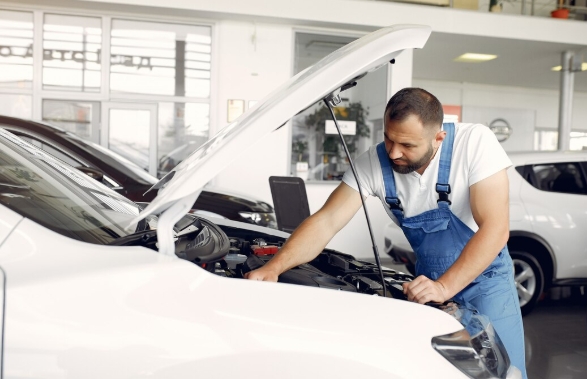
Fuel System, Ignition, and Spark Plugs High ambient temperatures impact the fuel delivery and combustion cycle more than many drivers realize. Running a vehicle consistently on a near-empty fuel tank in Dubai’s heat can cause premature fuel pump failure, as the fuel pump relies on the surrounding gasoline in the tank for cooling and lubrication. When fuel levels are low, the pump operates hotter, accelerating wear. High temperatures and fine airborne dust also accelerate fouling on spark plug electrodes and fuel injectors. Inspecting spark plugs every 30,000 to 40,000 km—or using high-grade iridium plugs—ensures optimal spark intensity, prevents engine misfires under heavy acceleration, and preserves fuel economy during prolonged stop-and-go idling with the AC running on full blast.
Suspension, Steering Components, and Bushings Dubai’s road infrastructure is renowned for its quality, but the combination of high thermal expansion on road surfaces and frequent encounters with steep speed humps in residential areas takes a toll on suspension components. Intense heat hardens and cracks rubber control arm bushings, sway bar links, and shock absorber bump stops. Over time, this leads to steering vibration, knocking sounds over uneven road surfaces, and uneven tire wear. Regular inspections should verify the integrity of the hydraulic shock seals, power steering fluid condition, and front-end alignment to ensure predictable handling at high highway speeds.
Electronics, Sensor Calibration, and Thermal Fatigue Modern vehicles rely heavily on complex electronic control units (ECUs) and an array of external sensors. Under-hood temperatures exceeding 100°C can make plastic connectors, wire harnesses, and sensor housings brittle over time. Mass Airflow (MAF) sensors and throttle bodies frequently become coated with microscopic desert dust particles that bypass filtration, leading to sluggish throttle response, erratic idling, or false check-engine warnings. Periodic computerized diagnostics and gentle sensor cleaning during major services help detect minor electrical anomalies before they lead to stranded breakdowns on major highways.
Choosing Service Providers and Budgeting Costs Navigating car maintenance in Dubai typically involves balancing authorized agency dealerships with specialized independent garages in industrial hubs like Al Quoz, Al Qusais, and Ras Al Khor. While official dealerships preserve factory warranty terms and guarantee genuine OEM parts, certified independent workshops often provide equivalent expertise for European, American, or Japanese models at 30% to 50% lower labor rates. Budgeting for a comprehensive major service every 30,000 to 40,000 km (typically costing AED 800 to AED 1,800 depending on vehicle make and engine displacement) combined with routine minor oil services every 5,000 to 10,000 km (AED 150 to AED 350) significantly mitigates the risk of catastrophic mechanical repairs.
GCC Specifications vs. Non-GCC Import Adaptation A major consideration for vehicle maintenance in Dubai is the difference between GCC-spec vehicles and imported non-GCC models (such as US, Canadian, or Japanese imports). GCC-spec vehicles are manufactured from the factory with larger radiator cores, high-flow water pumps, upgraded AC compressors, and specialized dust filtration designed specifically for desert heat. Non-GCC imports frequently struggle with cooling capacity in peak summer. Owners of imported vehicles often need to retrofit heavy-duty auxiliary transmission coolers, install upgraded electric cooling fans, and perform more frequent coolant flushes to prevent thermal throttling and head gasket failure during extended highway cruising or traffic jams.Electric Vehicle (EV) Thermal Management Electric vehicles face distinct maintenance demands in the UAE climate. Lithium-ion battery packs operate optimally between 20°C and 35°C; extreme ambient heat forces the EV’s active thermal management system to run continuously, drawing power from the main pack to circulate dedicated dielectric cooling fluids. Routine maintenance for EVs in Dubai requires inspecting battery coolant loop levels, testing thermal sensor calibration, and cleaning low-mounted radiator grilles that easily collect road debris and sand. Furthermore, charging EVs in shaded bays or during cooler nighttime hours reduces thermal degradation on the battery cells and maintains long-term range.Post-Sandstorm Protocol and Paint Care Sandstorms (shamals) create severe localized hazards for vehicle exteriors and air intakes. After a heavy dust storm, using a dry towel or duster to wipe down the paintwork will grind abrasive silica particles into the clear coat, creating severe swirl marks and micro-scratches. The correct recovery protocol involves a contactless pre-rinse using a high-pressure washer or foam cannon to lift loose dust before any wash mitt touches the surface. Windshields should be thoroughly rinsed with water before activating wiper blades to prevent permanent glass pitting, and the engine air filter housing must be opened and vacuumed to dislodge packed sand.
Legal Regulations and Passing RTA Technical Tests Annual roadworthiness inspections by the Dubai Roads and Transport Authority (RTA) enforce strict safety and environmental standards. Vehicles can fail inspection for minor issues that are exacerbated by the local climate, such as:
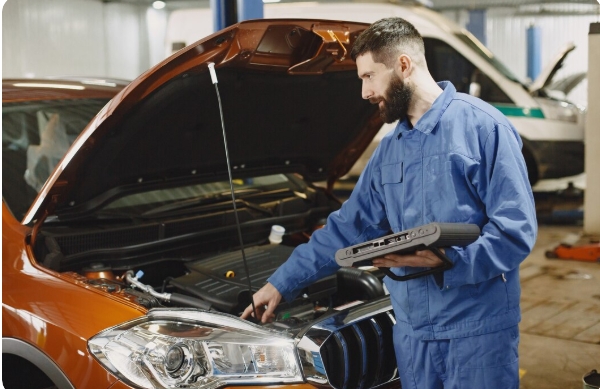
Turbocharger and Supercharger Thermal Care Forced-induction engines generate significantly higher under-hood temperatures than naturally aspirated engines. In Dubai’s summer climate, turbochargers are subjected to extreme heat cycles. Hard driving on highways or desert tracks followed by an immediate engine shutoff causes “oil coking”—where stagnant oil bakes onto the superheated turbo bearings, leading to premature turbo failure. Allowing the engine to idle for 60 to 90 seconds before turning off the ignition lets coolant and oil circulate to bring turbine temperatures down safely. Utilizing premium, full-synthetic motor oils with high thermal breakdown resistance (such as 0W-40 or 5W-40 European-spec oils) is essential to prevent bearing sludge.
Sunroof and Drainage Channel Clearing Panoramic sunroofs and moonroofs are prone to silent failures caused by airborne sand and periodic torrential flash rains. Fine desert dust mixes with morning dew to create a gritty sludge that clogs the small drainage channels located at the corners of the sunroof assembly. When blocked, water from unexpected seasonal downpours or automatic car washes backs up into the vehicle, leaking into the headliner, soaking carpets, and short-circuiting floor-mounted wiring harnesses. Periodically blowing out sunroof drain tubes with compressed air and lubricating sliding tracks with dry Teflon or silicone spray prevents motor burnout and cabin water damage.
Headlight Restoration and UV Protection The intense ultraviolet index in the UAE causes polycarbonate headlight lenses to oxidize rapidly, turning yellow, foggy, and brittle within a few years. Cloudy headlights not only cut night driving visibility by up to 60%, but they are also a frequent reason for immediate failure at RTA vehicle testing centers. Restoring headlights requires wet-sanding away the oxidized layer, compounding the lens clear, and immediately sealing it with a ceramic coating or UV-blocking clear film. Without this protective barrier, unsealed plastic lenses will re-yellow in under three months under direct sun exposure.
Emergency Roadside Preparedness Kit Given the severe health risks of being stranded in high desert heat, every vehicle operating in the UAE should carry a climate-specific emergency kit:Booster cables or a portable lithium jump-starter: To counter sudden heat-induced battery deaths.
A 12V portable tire inflator and pressure gauge: Useful for checking pressures or reinflating after soft-sand driving.
At least 5 liters of potable drinking water: Prevents rapid dehydration while waiting for recovery services on remote routes.
A heavy-duty tow strap with rated shackles: Essential for sand recovery or towing off active highways.
Reflective warning triangle and high-visibility vest: Critical for safety during breakdowns along high-speed corridors like Emirates Road (E611) or Dubai-Al Ain Road (E66).Evaporative Emissions (EVAP) and Fuel Tank Pressurization Dubai’s extreme daytime temperatures generate high vapor pressure inside the fuel tank. The Evaporative Emission Control (EVAP) system—specifically the charcoal canister, purge valve, and fuel tank pressure sensor—works under heavy strain to trap and vent gasoline vapors safely. When parked in extreme heat, failing fuel filler cap seals or saturated charcoal canisters can trigger persistent check-engine lights (such as code P0456 or P0442) and strong fuel odors near the rear wheel arches. Ensuring fuel caps seal tightly and avoiding “topping off” the gas tank after the pump automatically clicks off prevents liquid fuel from flooding and ruining the EVAP canister.
Hydraulic Power Steering and Brake Line Fatigue Vehicles with hydraulic power steering systems experience accelerated fluid breakdown in high ambient heat. Degraded power steering fluid darkens, loses lubricity, and causes high-pressure pump whine and stiff steering during low-speed maneuvers. Flushing steering fluid every 40,000 km protects the steering rack seals from hardening. Additionally, the high undercarriage temperatures radiating off superheated asphalt stress rubber brake lines; inspecting flexible brake hoses for micro-cracks or heat bulges is essential to avoid sudden hydraulic pressure loss under emergency braking.
Air Suspension Bladder and Compressor Longevity Luxury sedans and high-end SUVs equipped with air suspension systems face unique durability challenges in the UAE climate. The synthetic rubber air bladders are exposed to continuous heat cycling, fine sand blasting, and road grime, causing the rubber to dry out and develop microscopic fissures. When an air spring develops a slow leak, the onboard suspension compressor must cycle constantly to keep the vehicle level, ultimately burning out the compressor motor. Cleaning the lower air spring sleeves during routine washes and treating them with rubber protectants prevents premature leaks and expensive strut replacements.
Paint Protection Film (PPF) and Ceramic Coating Maintenance While applying PPF or ceramic coatings is standard practice to safeguard vehicle paint from desert sand abrasion, these protective layers require specific upkeep. Self-healing TPU (thermoplastic polyurethane) films can dry out and yellow under high UV indices if left unwashed. Contaminants like bird droppings and industrial fallout bake into the clear film within hours under direct sun. Owners should use pH-neutral shampoos, avoid harsh petroleum-based solvent washes, and periodically apply dedicated ceramic boost sprays to preserve hydrophobicity and ensure the film peels off cleanly without damaging the underlying clear coat when replaced.
On-Demand Mobile Servicing and Digital Maintenance Platforms The automotive service ecosystem in Dubai has evolved significantly around on-demand mobile maintenance. Mobile fuel delivery, doorstep battery replacement, and on-site oil changes (via apps like CAFU, ServiceMyCar, and MySyara) provide convenient alternatives to traditional workshop visits for basic upkeep. However, while doorstep services handle consumable replacements like batteries, wipers, and oil filters, comprehensive chassis inspections, computerized 4-wheel alignment, and AC system pressure leak tests still require lifting the vehicle on a hydraulic hoist at a properly equipped workshop.
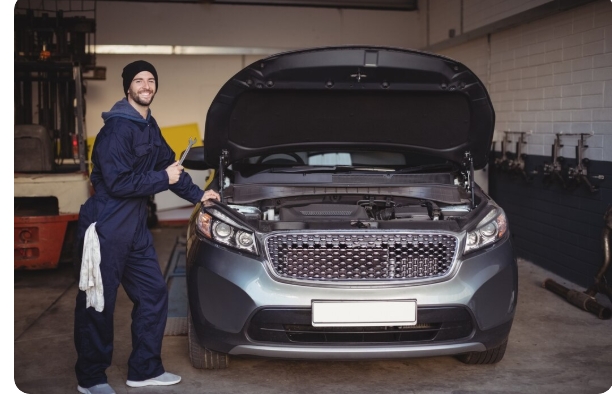
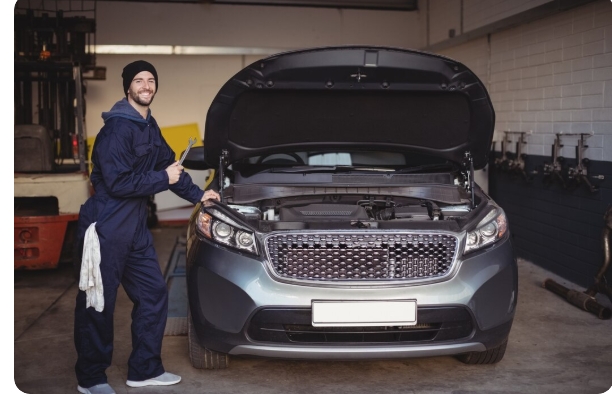
Finding a trustworthy car mechanic budai (or Dubai) drivers can rely on is essential for keeping a vehicle running smoothly through intense heat and challenging road conditions. In a well-equipped workshop, a skilled technician conducts thorough diagnostic checks, services the air conditioning, inspects the cooling system, and ensures that every engine component performs reliably under demanding driving conditions.Serpentine Belt, Tensioner, and Pulley Wear The accessory drive belt (serpentine belt) drives critical components including the alternator, water pump, power steering pump, and air conditioning compressor. Made primarily of synthetic rubber (EPDM), these belts endure continuous thermal stress and fine silica exposure in Dubai. High ambient heat causes micro-cracks along the belt ribs, glazing on the contact surfaces, and loss of tension. A compromised serpentine belt or failing idler pulley bearing can snap without warning, instantly disabling both engine cooling and power steering. Belts should be inspected for rib cracking and fraying at every oil change and routinely replaced every 50,000 to 60,000 km, alongside the belt tensioner to maintain proper operating tension under full AC load.
Brake Rotor Warping and Pad Glazing Frequent high-speed braking from highway limits (120–140 km/h) followed by immediate standstill in traffic subjects brake discs to rapid thermal cycling. When glowing-hot brake pads remain pressed firmly against stationary rotors at red lights, localized heat build-up can warp the steel discs, leading to noticeable pedal pulsation and steering wheel shudder under deceleration. The desert heat also causes aggressive brake pad compounds to “glaze”—forming a smooth, glass-like layer over the friction material that significantly increases stopping distances. Inspecting rotor runout and pad thickness every 15,000 km ensures reliable stopping power on fast-moving arteries.
Hybrid High-Voltage Battery Cooling Ducts Hybrid vehicles (such as Toyota Camry or Lexus hybrid fleets widely used across the UAE) rely on dedicated air-cooling ducts to regulate the temperature of nickel-metal hydride or lithium-ion traction batteries located under or behind the rear seats. Over time, fine desert dust, lint, and pet hair bypass cabin filters and clog the hybrid battery cooling fan intake grilles. A blocked cooling intake causes the hybrid battery to overheat, triggering fail-safe power reduction modes and drastically cutting battery lifespan. Regularly cleaning and replacing the small dedicated hybrid intake filters every 20,000 km is critical for long-term hybrid battery health in the desert.
The Ultimate Guide to Car Maintenance in Dubai: Keeping Your Vehicle Road-Ready in Extreme Heat
Driving in Dubai offers world-class highways and scenic desert routes, but the environment presents serious challenges for any vehicle. With summer temperatures frequently exceeding 45°C (113°F), intense ultraviolet radiation, high coastal humidity, and abrasive airborne sand, standard driving conditions quickly turn into severe operating conditions. Staying ahead of vehicle maintenance is essential to prevent costly breakdowns, ensure passenger safety, and pass mandatory vehicle inspections.
Car maintenance in Dubai is a critical necessity for vehicle owners facing extreme desert temperatures, fine sand, and coastal humidity. High ambient heat places unique mechanical strain on every system, making routine car maintenance in Dubai vital for long-term engine health and passenger safety.
Another key component of regular car maintenance in Dubai is monitoring battery health and electrical systems. Intense heat cuts typical battery lifespans down to under two years, making proactive voltage testing an indispensable part of car maintenance in Dubai. Tire safety is
Ultimately, consistent car maintenance in Dubai protects vehicle resale value, prevents sudden breakdowns, and guarantees passing annual RTA technical tests. Staying dedicated to complete car maintenance in Dubai keeps every ride smooth, secure, and fully road-ready.Specialized Fluids and Brake Maintenance Comprehensive demands strict attention to hydraulic fluids and brake systems. The rapid thermal cycling of high-speed deceleration on expressways followed by heavy stop-and-go traffic leads to brake pad glazing and rotor warping. Because brake fluid is hygroscopic and readily absorbs ambient moisture during humid Gulf summers, regular car maintenance in Dubai must include a full brake fluid flush every two years to prevent spongy pedal response, vapor lock, and dangerous brake fade.Suspension, Bushings, and Undercarriage Care Extensive car maintenance in Dubai is also necessary to protect the suspension and chassis from environmental degradation. Persistent 50°C heat dries out and hardens rubber control arm bushings, steering rack boots, and shock absorber bump stops. Meanwhile, fine desert dust penetrates mechanical joints and acts like an abrasive. A rigorous regimen of car maintenance in Dubai includes routine chassis pressure washing, suspension alignment, and rubber protectant treatments to maintain precise handling over high-speed road surfaces.Paintwork, Tinting, and Interior Preservation Effective car maintenance in Dubai extends to cosmetic and interior care to counteract destructive UV radiation. Cabin temperatures exceeding 70°C will crack leather upholstery and warp dashboard plastics without UV-blocking conditioners. Simultaneously, silica dust can destroy paint clear coats if improperly washed. Investing in paint protection films, ceramic coatings, and RTA-compliant window tints is an integral part of ongoing car maintenance in Dubai, ensuring long-term aesthetic appeal, passenger comfort, and high resale value.Car maintenance in Dubai is a critical necessity for vehicle owners facing extreme desert temperatures, fine sand, and coastal humidity. High ambient heat places unique mechanical strain on every system, making routine car maintenance in Dubai vital for long-term engine health and passenger safety.
A central priority of car maintenance in Dubai is managing the vehicle’s cooling system and climate control. Air conditioning units run under near-continuous maximum load, so scheduled car maintenance in Dubai must include refrigerant checks, condenser cleaning, and cabin filter replacements to ensure efficient cabin cooling. Concurrently, proper car maintenance in Dubai requires frequent engine oil flushes using fully synthetic lubricants to prevent thermal fluid breakdown during hot summer highway commutes.
Another key component of regular car maintenance in Dubai is monitoring battery health and electrical systems. Intense heat cuts typical battery lifespans down to under two years, making proactive voltage testing an indispensable part of car maintenance in Dubai. Tire safety is equally crucial; high asphalt temperatures accelerate rubber wear, so comprehensive car maintenance in Dubai involves continuous pressure checks, alignment, and tread depth assessments to avoid dangerous high-speed blowouts on major expressways.
Ultimately, consistent car maintenance in Dubai protects vehicle resale value, prevents sudden breakdowns, and guarantees passing annual RTA technical tests. Staying dedicated to complete car maintenance in Dubai keeps every ride smooth, secure, and fully road-ready.